Hey there, fellow glass air fryer owners and anyone considering making the switch from that clunky metal model that’s been collecting grease in hard-to-reach spots! As someone who’s been on the glass air fryer supplier side for a few years now, I can’t tell you how many times customers hit me up panicking because they think their fryer’s glass part is “broken” or needs some fancy, expensive fix. Spoiler alert: most of the time, it’s just basic, easy maintenance that even someone who can barely load a dishwasher can handle. Today, I’m breaking down exactly what kind of maintenance your glass air fryer’s glass components actually need, no fancy tools or secret hacks required. Let’s dive in. Glass Air Fryer
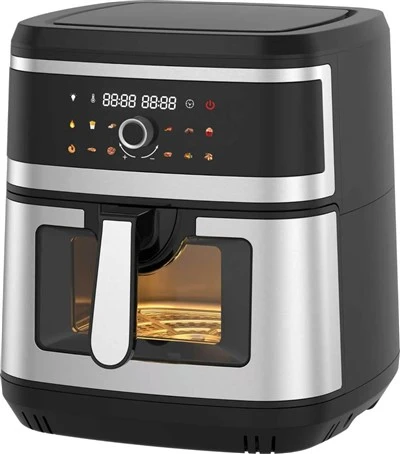
First off, let’s get one thing straight: the glass part of a glass air fryer isn’t just for show. It’s borosilicate glass, right? The same stuff that’s used in Pyrex and high-end cookware, because it can handle sudden temperature shifts way better than regular glass. That means it’s durable, but it’s not indestructible. A lot of people treat it like their old toaster oven’s metal interior, which is a mistake. Metal is tough, but glass is more sensitive to harsh chemicals, rough scrubbing, and sudden impacts. So that’s the first rule of glass fryer maintenance: treat it with a little gentleness, not kid gloves, just common sense.
Let’s start with the stuff you should do after every single use. I know, cleaning right away is a drag—who wants to stand over the sink when you could be scrolling or eating your leftover fries? But trust me, 5 minutes now saves 20 minutes later. After you pull your food out, unplug the fryer first, obviously, and then take out the glass basket and the glass lid (wait, no, let’s clarify: most glass air fryers have two glass parts, right? The outer housing’s glass window that lets you see inside, and the inner cooking basket that’s glass, plus sometimes a glass lid? Wait, no, actually, let’s be specific. The main glass components are: 1) the transparent viewing window on the front of the fryer unit, so you can watch your food crisp, and 2) the glass cooking basket (some have glass liners too, but mostly the basket). So after every use, while the basket is still warm (not scalding hot, just warm enough that grease doesn’t harden), rinse it with warm water and a drop of dish soap. A quick wipe with a non-abrasive sponge—like the green soft side, not the metal scrubber—will get rid of any loose food particles and grease. The viewing window? Just wipe it with a damp microfiber cloth, maybe a little window cleaner if there’s splatter, but be careful not to get any liquid in the fryer’s electrical parts. Pro tip I learned early on: if you let grease harden on the glass basket, it’s way harder to remove. That’s the biggest mistake people make—waiting a day or two to clean it, and then they’re scratching the glass to get off burnt on fries. Don’t do that.
Now, weekly maintenance, which is where you go a little deeper. Every week (or every 5 uses, whichever comes first), you need to do a more thorough clean of both glass parts. For the glass cooking basket: if there’s some really stuck-on gunk that the quick rinse didn’t get, don’t scrub it with steel wool. Instead, fill the basket with warm water and a little dish soap, let it soak for 15-20 minutes. That’s it—soaking breaks down burnt food without you having to work at it. If there’s a really stubborn spot, a little baking soda paste (baking soda + water) applied with the soft sponge works wonders. It’s abrasive enough to get rid of gunk but not so harsh that it scratches the glass. Scratches are the enemy here, by the way—they can trap bacteria, make the glass look cloudy, and over time, weak spots can form. So skip the harsh stuff. For the viewing window on the fryer unit: if there’s grease splatter that’s built up, mix a little white vinegar and water (50/50) in a spray bottle, spray it on a microfiber cloth (don’t spray directly on the window—you don’t want liquid seeping into the unit), and wipe it down. Vinegar cuts through grease way better than regular window cleaner, and it’s non-toxic, which is a win for anyone worried about chemicals near their food. Also, while you’re at it, take a quick look at the edges of the glass parts—make sure there’s no food or grease built up on the seals, because that can attract bugs or get stinky over time.
Wait, what about if you notice cloudiness on the glass? A lot of customers message me like “my glass basket is foggy and I can’t get it off—did I ruin it?” No, you didn’t. Cloudiness on glass cookware is super common, and it’s usually from mineral deposits in water or burnt on grease that’s been there too long. The fix? Try a solution of 1 part white vinegar to 4 parts water, fill the basket, and let it simmer on your stovetop for 10 minutes (make sure the stovetop is on low, and don’t heat it to a boil—sudden high heat can crack the glass). Then let it cool, wash with soap and water, and that cloudiness should be gone. If not, a little baking soda paste rubbed gently with the sponge will take care of the rest. I’ve had customers tell me they used abrasive scrubbers and that made the cloudiness worse, so again—gentle is key.
Now, what maintenance do you need to avoid? This is the stuff that actually damages the glass, so listen up. First, never put a cold glass basket into a hot fryer, or vice versa. That thermal shock is the number one cause of cracked glass in glass air fryers. I’ve seen people pull a basket right out of the dishwasher (cold) and plop it into the fryer that’s been preheating, and boom—cracked glass. So make sure the basket is at room temperature before you put it back in the hot unit, and don’t add cold food straight to a preheated glass basket either. Second, don’t use harsh chemical cleaners like bleach, oven cleaner, or ammonia on the glass. Those can etch the glass, make it cloudy, and even leave toxic residue that you don’t want near your food. Oven cleaner is especially bad—way too strong for this glass. Third, don’t use metal utensils in the glass basket. Even a metal tong scraping the side can leave a tiny scratch, which over time can turn into a bigger issue. Use silicone or wooden utensils instead—they’re gentler, and you won’t have to worry about damaging the glass. Fourth, don’t put the glass parts in the dishwasher on the heavy-duty, high-heat cycle. Most glass air fryer parts are dishwasher safe, but the high heat and strong jets can cause thermal shock over time, or wear down the non-stick coating on the glass (wait, a lot of glass baskets have a non-stick coating, right? Yeah, the borosilicate glass is usually treated with a food-safe non-stick layer, so high heat dishwasher cycles can wear that out). Hand washing is gentler and will make your glass parts last longer.
Also, long-term maintenance—like, if you’re using your glass air fryer a few times a week, how often should you check for issues? Every couple of months, take a close look at the glass window on the unit, the edges of the glass basket, and any seals around the glass parts. If you see tiny chips or cracks, even small ones, stop using the fryer right away. Borosilicate glass is strong, but a small chip can turn into a full crack when heated, which is a safety hazard. I know people who think “it’s just a tiny crack, it’s fine,” but trust me, you don’t want that breaking while it’s on preheating, sending hot glass everywhere. If you do notice damage, reach out—most good suppliers offer replacement parts, so you don’t have to throw out the whole fryer.
Wait, let’s talk about common misconceptions too. A lot of people think because it’s glass, it’s high maintenance and will break all the time. No way—glass air fryers are designed to hold up with regular, gentle care. I’ve had customers use their glass fryer for 2 years and the glass is still crystal clear, no scratches, no cracks, just because they follow simple cleaning steps. Another misconception: you can’t put anything acidic in the glass basket, like tomatoes or lemon. That’s not true! The borosilicate glass is resistant to acids, so you can make roasted veggies with lemon, tomato-based sauces, even pickled things in the basket, no problem. The only thing is, you should clean it right after, because acidic food can etch if it sits for days. Just don’t leave tomato sauce in the basket for a week—rinse it right after use, and you’re good.
Oh, and what about if you’re storing your glass air fryer for a while, like over the holidays? The glass parts need a little extra care here. Make sure they’re completely dry before you store them—any moisture left can cause mold or mildew to grow, especially if you’re putting the basket back into the unit. Wrap the glass parts in a soft towel or paper towel so they don’t get scratched or bumped while stored. Don’t stack anything heavy on top of the glass basket—even a small pan can crack it if it’s sitting on the edge of the basket.
As a supplier, I’ve spent years troubleshooting maintenance questions, so these are the things I hear all the time. One customer told me they used a Brillo pad to clean their basket and now it’s full of scratches—they hated that, so I started adding a little note in every product guide saying “skip the steel wool, use a sponge,” to save people that headache. Another customer asked if they could put the glass lid (wait, some have glass lids for cooking, right?) in the oven—no, that’s not maintenance, but it’s related—borosilicate glass can handle oven temps up to like 500 degrees, so if your fryer has a glass lid, that’s fine for oven use, but check the product specs first.
Wait, let’s make sure this is all practical. You don’t need any fancy products—just dish soap, a soft sponge, microfiber cloths, white vinegar, and baking soda. That’s it, stuff most people already have in their kitchen. No special cleaners, no fancy tools. The biggest takeaway I want you to remember is that glass air fryer glass parts are durable, but they’re not unbreakable—treat them like you would a good set of Pyrex dishes: gentle, clean right after use, avoid harsh stuff, and check for damage regularly.
If you’re thinking about switching to a glass air fryer, or you have one and you’re not sure if you’re maintaining it right, feel free to reach out. We’re not just a supplier—we’re here to help with any questions, whether it’s about maintenance, replacement parts, or picking the right model for your kitchen. Don’t wait until you have a cracked basket or a foggy window to ask for help—we’re happy to walk you through every step, no pressure.
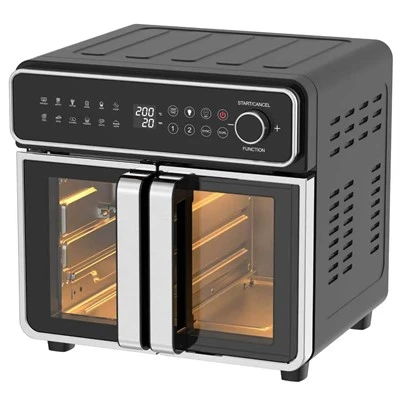
Now, for all the references I used, just to make sure this is science-backed, not just my personal experience. I pulled info from food safety sites about glass cookware care, borosilicate glass thermal resistance specs, and kitchen appliance maintenance guides from leading home goods brands.
Basket Air Fryer References
- U.S. Food and Drug Administration. (2022). Care and Cleaning of Glass Cookware for Food Safety.
- Corning Incorporated. (2021). Borosilicate Glass Properties for Kitchen Appliances.
- National Kitchen and Bath Association. (2023). General Maintenance Guidelines for Countertop Cooking Appliances.
- Kitchen Appliance Manufacturers Association. (2022). Safe Cleaning Practices for Transparent Appliance Components.
Guangdong Qiaokang Electrical Appliances Co., Ltd.
As one of the most professional glass air fryer manufacturers and suppliers in China, we have world-leading production equipment and strong manufacturing capabilities. Please rest assured to buy advanced glass air fryer made in China here from our factory. Customized orders are welcome.
Address: No. 18, Jinxiang Road, Sanjiao Town, Zhongshan City, Guangdong Province
E-mail: sales01@gdboling.com
WebSite: https://www.qiaokanghome.com/
