If you’re running a heavy freight shipping operation—or hiring one to move oversized loads like construction equipment, wind turbine blades, or full shipping containers weighing 100,000+ lbs—you already know the job isn’t just about driving big rigs fast. There’s a whole stack of legal hoops you have to jump through, and cut corners here and you’ll end up with fines, delayed deliveries, or even your license revoked. As a heavy freight shipping provider that’s been at this for 12 years, I’ve seen every misstep from both sides—clients ignoring regulations and carriers cutting corners—and today I’m breaking down what actually matters, no stuffy jargon, no overly official rules, just the real deal. Heavy Freight Shipping
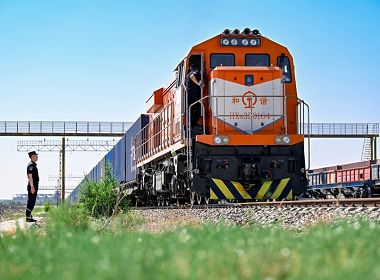
First off, let’s get one thing straight: regular trucking rules don’t apply here. If you’re moving a standard 40ft shipping container, that’s heavy, but once you add specialized gear like a lowboy trailer for bulldozers or a flatbed for oversized construction steel, you’re in the heavy freight lane, and that means state and federal rules (in the U.S. at least—if you’re shipping cross-border, we’ll touch on that later) get way more specific. The number one federal body calling the shots for most of this is the FMCSA, Federal Motor Carrier Safety Administration. They set the baseline rules, but here’s the tricky part: individual states can and often do stack extra regulations on top, so what’s legal in Texas might be a $1,000 ticket in California. Let’s start with the big three basics every heavy hauler has to nail before even rolling a wheel: weight limits, dimension limits, and permits.
Weight limits are non-negotiable, but most people don’t know they’re axle-specific, not just total load. The FMCSA’s federal minimum is 80,000 lbs gross vehicle weight (GVW) for most interstate loads, but that’s split by how many axles you have to avoid damaging roads and bridges. For example, a 5-axle rig (tractor plus 3-axle lowboy) can carry around 40,000 lbs on the drive tandems, 12,000 lbs on the steer axle, and 34,000 lbs on the trailer tandems—total adds up to the 80k limit. If you overloaded a single axle even 500 lbs, that’s a federal offense, not just a state one. We once had a client try to cram an extra 2,000 lbs of gravel onto a lowboy for a farm job, and the state patrol pulled us over in Oklahoma—$1,500 fine, plus a 24-hour delay while we offloaded the excess, which made the client miss their deadline. Worth noting: some states allow higher GVW for in-state loads, but only if you get a special overweight permit, and even then you’re limited on how far you can go.
Next up: dimension limits, because even if your load is under weight, if it sticks out too far, you’re a hazard. Federal baseline limits say a load can be up to 8ft 6in wide, 13ft 6in tall, and 53ft long without a permit. Anything over that? You need an oversize load permit, but again, states have their own numbers. For example, Washington state lets loads up to 10ft wide with a permit, while New York only allows 9ft 6in for most routes. The worst part? Some states have different rules for pilot cars too. If your load is over 8ft 6in wide, almost every state requires at least one pilot car (escort) for loads under 12ft wide, two pilot cars for loads over 12ft wide, and some even require a flag car leading if you’re on a narrow road at night. We once moved a 11ft wide steel beam through Pennsylvania and had to hire two pilots, one leading and one following, which added $800 to the cost—something we always quote clients upfront now, no surprises.
Permits themselves are where 90% of the headaches happen, and this is where we earn our keep as a heavy freight provider. You can’t just grab a single permit and go cross-state; you need a “trip permit” for each state you’re driving through, and some states require permits for specific roads or times of day (like no oversized loads on interstates during rush hour in major cities). For loads that cross multiple state lines, we use a permit service that submits all applications at once, but even that takes 3-10 business days, depending on the route. Rush permits are available, but they cost double and aren’t guaranteed. Also, some specialized loads—like hazardous material heavy freight (think chemicals, flammable construction supplies) or loads over 120,000 lbs total—need extra federal hazmat permits, background checks for drivers, and specialized placards. We had a job moving a 110,000 lbs turbine generator last year, and we needed 17 separate state permits, plus a federal hazmat endorsement for the driver, and we mapped every route to avoid low overpasses under 14ft (the height of the turbine) which would’ve destroyed the load and any cars underneath.
Now, if you’re shipping cross-border, like U.S. to Canada or U.S. to Mexico, the rules get even more complicated, and it’s not just FMCSA anymore. For U.S.-Canada loads, you have to comply with both FMCSA rules and Canada’s National Safety Code (NSC), including different weight limits (Canada’s interstates allow up to 125,000 lbs for heavy freight) and border crossing paperwork like the NAFTA (now USMCA) certificate of origin, plus customs bonds. U.S.-Mexico shipments add DOT cross-border regulations and Mexico’s Secretariat of Communications and Transportation (SCT) rules, which require specialized trailers and drivers with Mexican credentials if you’re going beyond the border zone. Most small shippers don’t realize that trying to handle cross-border heavy freight on your own is a recipe for delayed loads and fines—we’ve streamlined that process over the years, so we handle all the border paperwork and coordinate with local carriers to make sure everything is compliant.
Driver rules for heavy freight aren’t just the standard CDL (commercial driver’s license) requirements. Heavy freight drivers often need specialized endorsements: for oversize loads, that’s an “O” endorsement on their CDL, and for hazmat loads, an “H” endorsement plus background checks from the TSA. Also, drivers moving heavy freight have to follow hours of service (HOS) rules, but sometimes those get adjusted for emergency loads—though only if the FMCSA approves it, and we only use that rarely because cutting HOS corners leads to fatigue, which is a safety risk and a big fine if caught. We only hire drivers with 5+ years of heavy freight experience, all current endorsements, and clean driving records, because one bad driver mistake can ruin a whole load and put everyone on the road at risk.
Insurance is another legal piece that’s non-negotiable, and standard truck insurance isn’t enough for heavy freight. Regular cargo insurance is usually $1 million, but heavy freight requires higher limits, typically $5-$10 million, because a load that’s damaged or stolen can be worth way more. We carry $10 million in cargo insurance, plus general liability and motor truck cargo insurance, and we make sure every client is covered for the full value of their load. We always share our insurance certificates before we start any job, because we don’t want clients to worry about gaps in coverage if something goes wrong.
Now, let’s talk about the mistakes clients make that end up costing them more than they save. I’ve had so many clients try to skip permits to save money: we once had a construction company in Atlanta that tried to move a 10ft wide excavator without permits, got pulled over in Alabama, had to pay a $2,200 fine, and the load was impounded for 3 days, making them miss a project deadline and lose $15,000 in client penalties. Another client tried to overload a lowboy to fit an extra piece of equipment, which caused a blowout on a Texas highway, shut down the interstate for 2 hours, and led to the state DOT fining us $5,000—even though the client told us it was okay. That’s why we do a full pre-haul compliance check before every job: we verify weight, dimensions, permits, pilot car requirements, and route restrictions, and we share all of that with the client upfront so there are no surprises.
One last thing: environmental regulations. A lot of people forget that heavy freight isn’t just about weight and size—there are EPA rules too, especially for older diesel trucks. Most states require heavy freight trucks to meet 2010 or newer emission standards, and some cities have “no idling” rules, meaning you can’t leave your truck running for more than 5 minutes at a time in certain areas. We invested in new trucks 4 years ago that meet all current EPA standards, because we don’t want to be stuck with fines for outdated emissions gear, and it’s better for the environment too.
At the end of the day, heavy freight shipping is all about two things: safety and compliance. Cut corners on regulations, and you’ll pay for it way more than you would’ve if you’d just hired a provider that knows all the rules inside and out. As a heavy freight shipping company, we’ve spent years building relationships with state permit offices, pilot car companies, and cross-border brokers to make sure every load moves on time, without fines, and without putting anyone at risk on the road. If you’re planning a heavy freight shipment—whether it’s construction equipment, industrial machinery, or oversized materials—we can handle all the compliance work so you don’t have to. We’ll do a free compliance check for your next job, walk you through every step, and make sure your load is 100% legal before we even turn the key.

If you have questions about regulations, permits, or heavy freight shipping in general, feel free to reach out and connect for a procurement chat. We’re here to make this process simple, not stressful.
LCL Shipping References
Federal Motor Carrier Safety Administration. (2023). Heavy Freight and Oversize Load Regulations. https://www.fmcsa.dot.gov
American Association of State Highway and Transportation Officials. (2022). State Oversize/Overweight Permit Guidelines.
U.S. Customs and Border Protection. (2023). USMCA Heavy Freight Cross-Border Requirements.
Environmental Protection Agency. (2022). Heavy-Duty Truck Emission Standards.
Shenzhen Yihua Shang Supply Chain Service Management Co., Ltd.
As an experienced international logistics company in China, we are committed to providing high quality heavy freight shipping service with low price. We warmly welcome you to contact us for more information about the cheap rate heavy freight shipping service. Also, quotation is available.
Address: 209, Building 61, Third Industrial Zone, Zhongkeng Street, Bantian Street, Longgang District, Shenzhen
E-mail: 3809486307@qq.com
WebSite: https://www.yhs555.com/
