If you’ve ever stood in a composting yard watching organic waste turn into dark, crumbly gold—feed for plants, soil healer, climate helper—you know it’s equal parts science and patience. When I started my company as a fermentation compost equipment supplier 12 years ago, I thought all that was needed was a big, sturdy bin. I was wrong. Early on, we sold a standard tumbler to a small vegetable farm in central Ohio that thought “composting” was just throwing tomato scraps and corn husks in a pile. Six months later, they called me, frustrated that their pile smelled like rotting eggs, had chunks of half-broken squash, and still attracted flies in the middle of winter. That farm’s story taught me something I still carry into every conversation with customers today: great compost equipment isn’t about size or flashy logos—it’s about solving the real, messy, often stinky problems that trip up farmers, waste managers, and backyard enthusiasts alike. Fermentation Compost Equipment
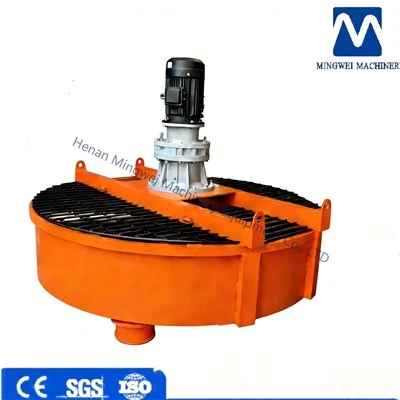
Let’s break down the key features I always tell people to prioritize when shopping for fermentation compost equipment, the ones that turn wasted food into nutrient-dense compost without the headaches that come from choosing the wrong gear.
First, let’s talk about oxygen control, the unsung backbone of successful fermentation composting. I can’t count how many customers have come to us convinced that a big, airtight drum would be perfect—until they realize that without a way to circulate air, the pile goes anaerobic, which is exactly how that smelly egg rots scenario starts. Good fermentation compost equipment needs consistent, adjustable aeration, not just one-size-fits-all airflow. Think about it: fresh yard waste is dense and wet, like a damp sponge; food scraps are moist and high in nitrogen. Those materials need different amounts of air. We’ve designed our equipment with variable aeration timers—something I wish existed when that Ohio farm tried to compost wet squash. Users can crank up the airflow for dense, wet feedstock and dial it back for dry, fluffy stuff like straw or wood chips. Another thing to look for is equipment that lets you reach every part of the compost pile, not just the middle. Static piles that only circulate air at the top will have cold, rotting spots at the bottom. Our commercial systems, for example, use a perforated floor under the compost bed that runs air evenly across the entire base, plus a mixing auger that turns the whole pile every 24 to 48 hours, cutting down on those dead zones. I always tell new operators: if your equipment’s aeration system only moves air around the top, it’s not doing half the work it should.
Next up: temperature monitoring and regulation. Composting isn’t just letting waste sit—it’s a heat-driven process. The “magic” of fermentation composting happens when the pile hits 130 to 170 degrees Fahrenheit (54 to 77 degrees Celsius). That heat kills weed seeds, breaks down pathogens from manure or food waste, and speeds up the whole process from months to weeks. But too much heat is just as bad as too little. If the pile climbs above 180 degrees, it kills the beneficial microbes that do the actual composting, leaving you with sterile, useless mulch instead of compost. Good fermentation compost equipment has built-in temperature sensors that alert you when things get too hot or too cold, not just a vague thermometer stuck on the side. For small-scale operations like urban community gardens or small family farms, we offer compact equipment with affordable, easy-to-read digital sensors that send a text alert if the temperature spikes or drops. For large-scale municipal waste facilities that process tons of food scraps each week, our industrial systems have automated cooling fans that kick on automatically when temperatures hit 175 degrees, so operators don’t have to monitor the pile 24/7. Last year, we worked with a city in Michigan that was using old, hand-turned piles that would heat up to 200 degrees in the summer. They installed our temperature-regulated system, cut their composting time from 12 weeks to 4, and eliminated the need to dispose of 3 tons of sterile, useless compost every month. That’s the kind of win that comes from equipment that pays attention to the fine details of microbial activity.
Then there’s feedstock flexibility, a feature that trips up more buyers than you’d think. A lot of operators start out with a single type of waste—say, a restaurant that only deals with fruit and vegetable scraps—but then grow, or add manure from a nearby livestock farm, or get a contract to process yard trimmings from the city. If your equipment is only built for one type of feedstock, you’ll have to buy new gear every time your needs change. When I first started, I sold a specialized food scrap drum to a small café in Portland. A year later, the café started offering brunch, which meant more coffee grounds and wet eggshells, and they still had 30 pounds of bread waste from their bakery section. The old drum couldn’t handle the wet, dense bread, so it turned into a smelly, sludgy mess. We ended up working with them to modify their system, but that experience made us design our equipment to handle a wide range of materials: wet, dry, dense, fluffy, high-nitrogen, high-carbon. Our systems have adjustable mixing paddles that can handle heavy, wet manure without getting clogged, and perforated screens that let dry, fluffy straw and wood chips move through the pile evenly without clogging the aeration system. Even for small-scale users like backyard composters, look for equipment that can handle more than just kitchen scraps. If you want to add fallen leaves, grass clippings, or small branches to your compost, your gear should be able to process those without breaking down.
Moisture control is another non-negotiable feature. Compost is like a sponge—too dry, and the microbes go dormant, stopping the decomposition process. Too wet, and you get that stinky anaerobic mess we talked about earlier. The sweet spot is about 50 to 60 percent moisture, roughly the consistency of a wrung-out sponge. Great fermentation compost equipment helps you maintain that balance without you having to add or remove water manually. Look for systems with built-in drainage, so excess water (like rainwater that falls on an outdoor compost pile, or juice from wet food scraps) drains out easily, and adjustable moisture vents that let you let water evaporate if the pile is too wet. For dry climates like Arizona or New Mexico, our systems have integrated misting nozzles that add small amounts of water when the pile gets too dry, so operators don’t have to haul buckets of water out to the compost yard every day. That’s a huge time-saver—especially for large operations that process tons of compost every week. I had a customer in Arizona last year who was using a traditional open pile that would dry out within three days in the summer heat. He’d spend two hours every morning hauling water to the pile, and still only got half the decomposition rate he needed. After switching to our moisture-regulated system, he cut his water use for composting by 40 percent, and his compost was ready in half the time. That’s the kind of practical benefit that makes good equipment worth the investment.
Durability and ease of maintenance are two more features you can’t afford to overlook, no matter how big or small your operation is. Compost equipment works in tough conditions: wet, stinky, full of abrasive organic material that can wear down metal parts over time. Cheap, thin metal bins will rust within a year, and broken paddles or clogged aeration pipes can bring your entire compost process to a halt. When we design our equipment, we use food-grade, rust-resistant stainless steel for all parts that come into contact with compost, and heavy-duty coated steel for the frame, so it can hold up to rain, snow, and the rough handling that comes with daily use. But durability doesn’t mean it has to be impossible to maintain. Look for equipment with easily accessible parts, so you can clean out clogged aeration pipes, replace a worn mixing paddle, or calibrate a temperature sensor without having to call a technician. For small-scale users like community gardens, we design our equipment with removable mixing drums and easy-to-clean interiors, so volunteers with basic tools can maintain it without any special training. Last month, a community garden in Brooklyn reached out to us, saying their old compost bin required a technician every time something went wrong, which cost them hundreds of dollars a month. They installed our compact fermentation compost system, and their maintenance time dropped from 5 hours a week to 30 minutes. That’s the kind of equipment that works for real people, not just large corporations with full maintenance teams.
Finally, let’s talk about scalability. No one’s operation stays the same forever. You might start with a small backyard setup, then grow to a small farm, then get a contract with the city to process community waste. Good fermentation compost equipment should grow with you, not leave you stuck with obsolete gear. That’s why we design our systems in modular units—you can start with a small 5-cubic-yard system for your backyard or small café, then add a second unit, or upgrade to a 20-cubic-yard industrial system, without having to buy all new equipment from scratch. We had a customer in Texas who started with our 5-cubic-yard system when he opened his farm-to-table restaurant four years ago. Now he has a 50-seat restaurant, plus a small livestock operation, and he added three more of our 20-cubic-yard units to process his food scraps and manure. If he’d bought a one-time large system four years ago, he’d have been spending a lot of money on unused capacity for the first two years. Scalable equipment lets you match your gear to your actual needs, not the needs you might have in 10 years.
At the end of the day, the best fermentation compost equipment isn’t the most expensive or the biggest. It’s the gear that solves the problems that actually matter: no more smelly piles, no more weeds or pathogens in your compost, no more wasted time maintaining broken equipment, and no more having to replace your whole setup when your operation grows. Over the past 12 years, I’ve learned that the best customers are the ones who come to me with a clear idea of their needs, not just a big budget. They ask about aeration control, moisture levels, how easy it is to maintain, and whether the equipment can handle the materials they actually have, not just the ones they hope to use.

If you’re in the market for fermentation compost equipment, whether you’re a small community garden, a mid-sized farm, or a large municipal waste facility, we’re here to help you find the right fit for your needs. We work with customers to assess their feedstock, their space, and their timeline to build or modify a system that works for them, no one-size-fits-all solutions. Contact us to discuss your composting goals and find the equipment that will turn your organic waste into high-quality compost, without the headaches.
Mixing and Blending Equipment References:
- Epsteine, E. (2017). The Science of Composting. CRC Press.
- Rynk, R. (Ed.). (2018). On-Farm Composting Handbook. Northeast Regional Agricultural Engineering Service.
- World Health Organization. (2019). Safe Use of Wastewater, Excreta and Greywater in Agriculture.
- U.S. Environmental Protection Agency. (2021). Composting at Home and on the Farm.
Henan Mingwei Machinery Equipment Co., Ltd.
As one of the most experienced fermentation compost equipment manufacturers in China, we have world-leading production equipment and strong manufacturing capabilities. Please rest assured to buy durable fermentation compost equipment for sale here from our factory. For price consultation, contact us.
Address: No.461 Qudong Jinsui Avenue, Hongqi District, Xinxiang City, Henan Province, China
E-mail: info@hnmwm.com
WebSite: https://www.hnmwmequip.com/
