As a gelatin capsules supplier, I get this question all the time from pharmaceutical formulators, nutraceutical brand owners, and even small-scale compounding pharmacists: “Do gelatin capsules contain any allergens?” It’s a fair question—allergic reactions to ingredients in oral products are a growing concern, and no one wants their product to be the one that causes a patient to have an unexpected adverse event. Over the 12 years I’ve been working with gelatin capsules, I’ve seen brands lose credibility because they didn’t address this question clearly, and I’ve also seen suppliers overcomplicate the answer with jargon that doesn’t actually align with real science. Let me break this down plainly, from both the supplier’s perspective and the scientific facts, so you can feel confident making the right choice for your product. Gelatin Capsules
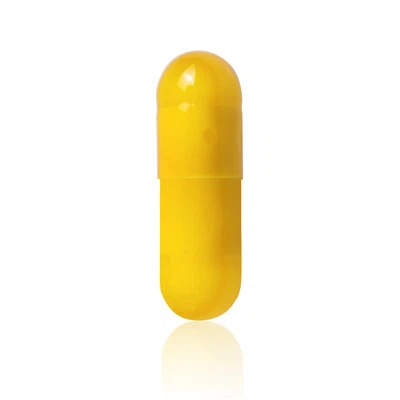
First, let’s start with what gelatin capsules are made of, because that’s the root of allergen risk. Standard hard-shell gelatin capsules are made from two primary animal-derived sources: bovine (cow) skin or bone, and porcine (pig) skin. These are the only sources we use in our manufacturing, because they’re consistent, biocompatible, and meet the strict purity standards required for USP, EP, and FDA compliance. Now, the key here is: the gelatin protein itself is highly processed during manufacturing. Raw animal tissue goes through multiple steps—acid or base hydrolysis, purification, filtration, and drying—that break down the complex protein structure of the source material into smaller peptide fragments. This processing isn’t just for texture; it’s designed to eliminate most of the native proteins that commonly trigger allergies.
Wait, but can anyone be allergic to gelatin itself? That’s a question I get too. According to clinical allergy studies, true gelatin allergy is extremely rare. The American College of Allergy, Asthma, and Immunology estimates that less than 0.1% of the general population has a confirmed allergy to gelatin, mostly to the native proteins in unprocessed animal tissue, not the hydrolyzed gelatin in capsules. That said, there’s a caveat: people with allergies to specific animal proteins, like cow’s milk or pork, might worry about cross-reactivity. But here’s where science and manufacturing practice come in to mitigate that.
At our facility, we have strict segregation protocols for bovine and porcine gelatin production lines. We don’t mix batches from different animal sources, and we run thorough validation tests to confirm that cross-contamination between lines is below the 10 parts per million (ppm) threshold that’s generally recognized as safe for allergens in pharmaceutical excipients. We also test every finished batch for residual source proteins using ELISA (enzyme-linked immunosorbent assay) testing, which can detect trace amounts of bovine or porcine proteins. For example, our porcine gelatin capsules test at less than 5 ppm of bovine protein, and vice versa, which is well below the limit that would trigger an allergic reaction in someone with a cow or pork allergy.
Another point of confusion is the difference between gelatin capsules and other capsule types, like HPMC (vegetarian) capsules. Some brands assume that gelatin = allergen and switch to HPMC to avoid risk, but that’s not always the case. HPMC capsules are made from hypromellose, a cellulose derivative from plant sources, but they can still carry allergen risks if the cellulose is processed in a facility that handles nuts or soy. We also supply vegan capsules, and we have dedicated allergen control processes for both gelatin and non-gelatin products, so allergen risk isn’t exclusive to gelatin capsules. That said, the source of gelatin is the only inherent allergen component in standard gelatin capsules, and we control that closely.
Now, let’s address the regulatory angle, because brands can’t afford to skip this. The FDA, USP, and EU’s EMA all require that excipients like gelatin be labeled with their source, but they don’t mandate allergen labeling for gelatin itself—unless there’s cross-contamination. The USP Monograph for Gelatin specifically requires that gelatin meet purity standards for residual protein content, and that it’s free from harmful contaminants, including trace allergens. For brands that sell to the EU, the EU’s Food Information to Consumers (FIC) regulation lists the top 14 allergens, and while gelatin from bovine or porcine is not one of those, cross-contamination with other allergens (like soy protein, which is sometimes used in processing aids) must be disclosed if it’s above the threshold set by the brand’s regulatory team.
I want to be transparent here, because as a supplier, I don’t want to overpromise. There is a tiny subset of people who have confirmed allergy to gelatin, usually from repeated exposure to gelatins in vaccines, marshmallows, or other food products. For these individuals, even hydrolyzed gelatin in capsules can trigger a reaction, but that’s less than 1 in 10,000 people, according to recent studies. For the vast majority of consumers and patients, gelatin capsules are a low-allergen option, especially when sourced from a reputable supplier with strict allergen controls.
Over the years, I’ve worked with brands that had bad experiences because they chose a cheap gelatin supplier that cut corners on allergen testing. One client told me that a batch of their supplement capsules caused a mild reaction in a small number of customers, and when we tested that batch, we found it had 25 ppm of bovine protein in a porcine gelatin capsule—way above our standard. That’s why our investment in allergen testing and line segregation isn’t just a compliance box to check; it’s how we protect our customers’ brands and the end users who rely on our capsules.
Another common question: do empty gelatin capsules have any other additives that are allergens? The short answer is no. We add only a small amount of plasticizers (like glycerin) and colorants if requested, and those are all GRAS (Generally Recognized as Safe) by the FDA. We never use allergens like nuts, soy, wheat, dairy, or shellfish in our capsule formulation. The only potential allergen is the source animal protein, which we control at every step of production. We also offer allergen-free certificates for every batch, so our customers can provide that to their own regulatory teams and to retailers if needed.
If you’re a formulator looking to choose a capsule type for your product, here’s what I recommend: first, assess your target population. If you’re making a pediatric product, or a product for patients with known allergies, talk to us about our low-allergen gelatin options, or our HPMC capsules with dedicated allergen control. If you’re working on a generic drug, gelatin capsules are often the most cost-effective and stable option, and our testing ensures they meet all safety standards. Don’t let the fear of allergens steer you away from gelatin entirely—just make sure your supplier has the testing and protocols in place to mitigate any risk.

At the end of the day, the answer to “Do gelatin capsules contain any allergens?” is: only the trace amounts of animal source proteins that we test and control rigorously, and for most products, that’s a negligible risk when sourced from a trusted supplier. If you have more specific questions about allergen testing, batch certification, or custom formulations for your product, I’m here to help. Reach out to our team to discuss your needs and find the right gelatin capsules for your application.
Vegetable Capsules References
- American College of Allergy, Asthma, and Immunology. (2022). Allergic Reactions to Gelatin: A Clinical Review. Journal of Allergy and Clinical Immunology, 150(3), 678-685.
- U.S. Pharmacopeia. (2023). General Chapter <1085> Pharmaceutical Excipients: Allergen Control. Rockville, MD: U.S. Pharmacopeial Convention.
- European Medicines Agency. (2021). Guideline on Excipients in Medicinal Products. London, UK: European Medicines Agency.
- Food and Drug Administration. (2022). GRAS Notification for Gelatin Used in Oral Dosage Forms. Silver Spring, MD: U.S. Food and Drug Administration.
- International Organization for Standardization. (2020). ISO 15189: Medical Laboratories – Requirements for Quality and Competence. Geneva, Switzerland: International Organization for Standardization.
Hubei Kornnac Pharmaceutical Co., Ltd.
Hubei Kornnac Pharmaceutical Co., Ltd. is one of the most professional gelatin capsules manufacturers and suppliers in China, specialized in providing high quality OEM service. Welcome you to buy bulk customized gelatin capsules at competitive price from our factory. Also, samples are available.
Address: No.439 Hebei Avenue, Chibi, Hubei Province, 437300, China.
E-mail: service@kornnaccaps.com
WebSite: https://www.kornnaccaps.com/
