If you’ve ever dealt with graffiti on metal surfaces—whether that’s a storefront, a guardrail, or a warehouse wall—you know it’s way more than just an eyesore. Scraping it off takes hours, damages the surface underneath, and means touching up or replacing the whole panel, which is a total pain (not to mention costly). That’s where PPGI (pre-painted galvanized iron) comes in, specifically its anti-graffiti performance, which is one of the most underrated superpowers of this material. As a PPGI/GI supplier, I get asked about this all the time, so let’s break it down like we’re chatting over a coffee (no fancy jargon, promise). PPGI/GI
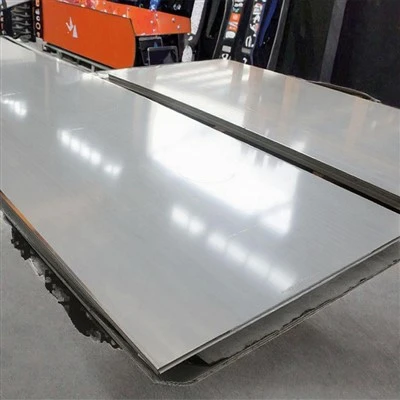
First, let’s get the basics straight: PPGI is just steel that’s been pre-coated with a layer of zinc (that’s the GI part) for rust protection, then baked with a colored paint layer before it even leaves the factory. Anti-graffiti PPGI adds a special clear topcoat to that stack—think of it as a invisible shield. But not all anti-graffiti coatings are created equal, so the performance depends on two key things: the coating’s chemistry and how it’s applied. I’ve seen cheap knockoff anti-graffiti PPGI that scratches if you look at it wrong, so let’s focus on what actually works for real-world use.
Let’s start with how graffiti sticks to regular metal, because that’s why anti-graffiti is a game-changer. Regular paint or markers seep into tiny pores in the surface, and the chemicals in spray paint or permanent ink actually bond with the metal’s finish. When you try to clean that off, you’re pulling bits of the original paint or even the steel with it, which leaves a ugly mark that needs repainting. Anti-graffiti PPGI’s clear topcoat is non-stick in the same way a Teflon pan is—spray paint and ink sit on top, not in. That means you can wipe it off without scrubbing or damaging the finish. I’ve had customers test this: they’d spray a bit of graffiti marker on a sample, wait 24 hours, then wipe it with a damp cloth or even window cleaner, and it would come right off. No streaks, no damage.
But wait, there’s more. The anti-graffiti performance isn’t just about being non-stick—it’s about durability. Let’s talk about real scenarios, because this isn’t a lab test. Take bus stop shelters, for example. They’re outside 24/7, so they get sun, rain, temperature swings, and random graffiti from people killing time. I supplied a batch of anti-graffiti PPGI to a city transit company last year, and they reported that after 18 months, the panels still cleaned up like new. Compare that to the regular PPGI they used before: it would take them 2-3 days per stop to scrape graffiti off, and half the time they’d have to repaint the whole panel. Now they just grab a cloth and spray cleaner, and it’s done in 10 minutes per stop. That’s the kind of cost savings that matters for cities with tight budgets.
Another scenario: storage warehouses. A lot of warehouses use metal panels for exterior walls, and they’re often in industrial areas where people might tag them or even get accidental graffiti from nearby construction. Anti-graffiti PPGI stands up to that way better than regular stuff. I’ve had a warehouse customer tell me that they used to have to hire a graffiti removal service every 3 months, costing them thousands. Since switching to our anti-graffiti PPGI 2 years ago, they haven’t needed that service once. They just keep some wipes by the loading dock, and when they see a tag, they wipe it off. That’s not just convenient—it’s a huge money saver.
Now, let’s get into the technical stuff, but keep it simple. The best anti-graffiti topcoats we use are either polysiloxane or modified acrylic-based, not the cheap wax-based stuff that washes off after a few rainstorms. Polysiloxane coatings are more resistant to UV rays, so they don’t break down in sunlight, which is key for outdoor use. Acrylic is a good option too, but it’s more for indoor applications where UV exposure is low. We test every batch of our anti-graffiti PPGI to make sure it meets standards for things like abrasion resistance (so you can wipe it without scratching), chemical resistance (so it works with all kinds of graffiti removers), and weatherability (so it doesn’t fade or peel after years outside).
Wait, but what about different types of graffiti? Not all tags are spray paint—there’s marker, chalk, even some industrial inks. Does our anti-graffiti PPGI handle all of that? Yeah, for the most part. We’ve tested spray paint (oil-based and water-based), permanent marker, chalk markers, and even some types of industrial stencil ink. The only thing that might be tough is really old graffiti that’s had months to set in, but even then, a bit of mild cleaner and a soft brush will get it off, no problem. The key is that graffiti doesn’t have time to bond with the surface, because you can clean it right away.
I should also mention that anti-graffiti PPGI isn’t just for new installations. A lot of people ask if you can retro-fit it over existing panels. The short answer is yes, but it’s better for new projects because you get the full factory-applied coating, which is more durable than anything you can spray on-site. On-site coatings often don’t bond as well, and they can peel or scratch easier, so if you’re building something new, going with factory-applied anti-graffiti PPGI is the way to go. It’s also more consistent—every panel has the same coating, so no uneven performance.
Another thing that customers care about: does the anti-graffiti topcoat affect the look of the PPGI? No, not at all. It’s a clear, invisible layer, so you get the same color and finish (matte, gloss, satin) as regular PPGI. You can choose any color you want, from bright reds to subtle grays, and the anti-graffiti layer is under the topcoat? Wait, no—wait, the order is: zinc layer (GI) first, then primer, then color paint layer, then the clear anti-graffiti topcoat. So the color is exactly the same, and the clear coat actually gives it a slight sheen that makes colors pop a bit more, but you don’t notice it unless you’re looking for it. We’ve had customers use it for storefronts where the look is super important, and they can’t tell the difference between our anti-graffiti PPGI and regular PPGI—until they test the graffiti resistance.
Let’s talk about longevity too. How long does the anti-graffiti performance last? For outdoor applications, we recommend that it works effectively for 10-15 years, as long as it’s installed and maintained properly. Indoor applications can last even longer, like 20+ years, because they’re not exposed to UV rays. Of course, that depends on how you clean it—if you use harsh abrasives or strong chemicals that aren’t designed for anti-graffiti coatings, you can scratch or damage the topcoat, which would reduce its effectiveness. But as long as you use mild cleaners and soft cloths, it’ll hold up for years.
I’ve also seen a lot of misinformation about anti-graffiti PPGI. Some people think it’s a “set it and forget it” solution, but it’s not—you still have to clean graffiti off when it happens, but it’s way easier than with regular metal. Others think it’s way more expensive, but when you factor in the cost of graffiti removal, repainting, and downtime, it’s actually a cost-effective choice in the long run. Let’s do a quick math example: a typical storefront with regular PPGI might spend $500 a year on graffiti removal. Anti-graffiti PPGI costs $200 more per panel, but you only need to clean it a few times a year, with supplies that cost $50 total. If you have 10 panels, that’s $2,000 upfront, but you save $5,000 over 5 years. That’s a no-brainer.
As a supplier, I’ve worked with all kinds of customers—small business owners, city councils, warehouse managers, construction companies—and the number one feedback I get about our anti-graffiti PPGI is how much time and money it saves them. One small business owner told me that before switching, they’d have to close their shop for a few hours every time someone tagged their storefront, to scrape and repaint. Now they just wipe it off while they’re waiting for customers, no downtime. That’s the kind of impact that matters for real people, not just industry stats.
Wait, should I mention the difference between PPGI and GI here? Sometimes people mix them up. GI is just galvanized iron—steel coated with zinc for rust protection, no paint. PPGI is pre-painted, so it has the color coat and topcoat already applied. So anti-graffiti is a topcoat you add to PPGI, not GI, because GI doesn’t have a paint layer to bond the clear coat to. That’s an important point—you can’t get anti-graffiti performance on plain GI, because there’s nothing for the clear layer to stick to. It has to be factory-applied to pre-painted steel.
Another test we do here at our warehouse is scratch resistance. We use a pencil hardness test to make sure the topcoat doesn’t scratch when you rub it. The anti-graffiti PPGI we supply is at least H level, which means it can handle normal handling, wiping, and even minor scuffs from equipment. That’s key because if the topcoat scratches, graffiti can get into the scratch and be hard to remove. We’ve had a customer who moved a forklift too close to a panel and scratched it, and even then, the graffiti still came off the surrounding area—they just had to touch up the scratch, which was way easier than removing a full tag.
What about extreme conditions? We supply panels to places that get super hot in the summer, like Texas, and places that get really cold and snowy, like Minnesota. In Texas, the heat doesn’t make the clear coat break down—we’ve tested it in 120°F weather, and the anti-graffiti performance stays the same. In Minnesota, the cold doesn’t make it brittle, so it doesn’t crack when you clean it in freezing temperatures. That’s because the coatings we use are formulated to handle temperature swings, so they don’t degrade over time.
I think the biggest takeaway here is that anti-graffiti PPGI isn’t just a fancy add-on—it’s a practical solution to a problem that costs businesses and cities millions every year. It’s durable, easy to clean, looks great, and saves money in the long run. As a PPGI/GI supplier, I’ve seen first-hand how it changes things for customers. Instead of stressing about graffiti, they can focus on their business or their community, knowing that any tags are just a quick wipe away.
Stainless Steel Coil If you’re working on a project—whether it’s a new storefront, a warehouse, a transit stop, or anything else that’s exposed to graffiti—and you want to learn more about our anti-graffiti PPGI, feel free to reach out. We can send you sample panels, answer questions about coating types, durability, pricing, or anything else. We work with projects big and small, and we’re happy to help you find the right solution for your needs.
References
- ASTM A755/A755M-21, Standard Specification for Steel Sheet, Metallic-Coated (Zinc) and Pre-Coated, for Sheet Piling and Related Applications.
- Metal Construction Association (MCA), “Pre-Painted Steel Coatings: Performance and Applications,” 2022.
- Graffiti Research Lab, “Evaluating Anti-Graffiti Surface Technologies for Urban Infrastructure,” 2021.
- The World Bank, “Economic Costs of Graffiti and Vandalism in Urban Areas,” 2020.
Wuxi Jin Ming Jian De Industry & Trade Co., Ltd.
Wuxi Jin Ming Jian De Industry & Trade Co., Ltd. is one of the most professional ppgi/gi manufacturers and suppliers in China, also supports customized service. With abundant experience, we warmly welcome you to wholesale CE approved ppgi/gi in stock here from our factory. If you have any enquiry about quotation, please feel free to email us.
Address: 2102-2105, Yuexing Building, Guangnan Road, Liangxi District, Wuxi City, Jiangsu Province, China.
E-mail: info@wxjmjdss.com
WebSite: https://www.jmjdsteelexp.com/
