Hey there, let’s cut to the chase—if you’re in the construction game, you’ve walked past a half-finished building and stared at that boring, generic metal hoarding blocking the view, right? The plain gray panels that do nothing but scream “construction zone” and blend into every other site for miles. When I started my hoarding supply business 7 years ago, I thought everyone wanted the off-the-shelf stuff—fast, cheap, one-size-fits-all. Then a client hit me with a curveball: their site wrapped around a historic, curved brick fire station, and their hoarding needed to follow that exact curve. Spoiler alert: we nailed it, and that project changed how I see custom hoarding forever. Today, I’m breaking down if construction hoarding can actually fit unique shapes, from curved building perimeters to triangular site corners, even the weird, lumpy spots most suppliers run from. Construction Hoarding
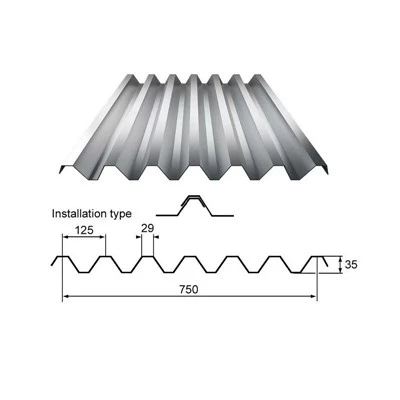
First, let’s bust the big myth right out the gate: no, custom hoarding isn’t just for fancy downtown high-rises. It’s for every site that doesn’t have four straight 90-degree corners. Think about it—suburban lot line that juts out because of an old oak tree, a curved edge where a new development meets a park, even a site that wraps around an existing standalone structure. For way too long, the industry’s default has been straight, flat panels that you bend or trim on-site, which leads to gaps, wobbly lines, and that lopsided “placeholder” look that makes the whole neighborhood side-eye your project. But here’s the real tea: modern manufacturing has turned that idea on its head.
Back when I took that curved fire station project, we almost went with the old trick of cutting straight panels and forcing them to bend—big mistake. Those panels buckled, left gaps where wind would blow debris, and looked terrible. We pivoted to using modular steel frames that we cut and bent on-site, but here’s the game-changer: pre-cutting the frame’s segments at our workshop. Let’s get a little science real quick (no boring stuff, I promise). Standard hoarding panels are usually 8ft wide, 10ft tall, made of corrugated steel or lightweight aluminum. To make them fit a curve, you need to adjust the frame’s radius, not the panel itself. For that fire station, the curve had a radius of 12ft—we calculated each frame segment needed a 2-degree angle cut, then bent the horizontal rails to match the curve. The result? No gaps, a smooth line that mirrored the old fire station’s facade, and even extra space to put art that the local historical society loved. That project turned into 3 more jobs for the same developer, and we’ve refined this process ever since.
Now, let’s talk about the actual materials that make shape customization possible. You can’t use plain, rigid steel for super tight curves or irregular, bumpy shapes—trust me, I’ve tried. We’ve moved to two main materials for custom shapes now: aluminum for tight curves and lightweight composite panels for irregular, non-curved shapes (like that suburban lot that jutted around the oak tree). Aluminum is key here because it’s malleable without being flimsy—we can heat-bend it to a radius as small as 3ft, which is way tighter than what steel can handle. For super irregular shapes—think a site that wraps around a gas station with multiple angled corners—we use those composite panels, which are foam-core between two thin fiberglass sheets. They’re not just lighter, they can be cut to any shape with a router, so we can do anything from a sharp 15-degree corner to a custom cutout for a tree that has to stay on-site. Wait, let’s be clear—this isn’t “cutting a square into a circle” magic. It’s precise engineering. Every custom order starts with a site measurement: we send our team to do a laser scan, which captures every angle, curve, and even tiny bumps in the ground in 3D. No more guessing—we get exact measurements, so every frame and panel fits like a glove.
Here’s where most suppliers mess up customization: they treat it like an afterthought. They take a straight panel, force it to fit a weird shape, and call it custom. But true custom shape hoarding is engineered from the start. Last year, we had a job for a mixed-use development in downtown that wrapped around a triangular old courthouse. The site’s edges were two sharp angles, and the developer wanted the hoarding to align with the courthouse’s existing stone pillars. We used 3D scanning to map the exact angles (they were 32 and 118 degrees, not the nice round numbers most people guess), then cut each aluminum frame segment to match those angles at the workshop. We even added small cutouts in the hoarding panels that lined up with the courthouse’s pillars, so when the hoarding went up, it looked like it was part of the historic building, not something tacked on. The local historic commission loved it, which meant the developer didn’t have to deal with months of delays—worth every extra dollar, right?
Now, let’s address the elephant in the room: does custom hoarding cost more than generic? Short answer: yeah, a little. But here’s the long answer that most salespeople won’t tell you: the difference is tiny, and you save way more in the long run. Generic hoarding has to be trimmed on-site, which takes extra labor time, leads to gaps (which mean you need extra tarps or tape to keep wind and debris out), and often needs repairs because the forced-bend panels get damaged. We’ve found that custom hoarding takes 20% less time to install than forcing generic panels to fit, because everything is pre-measured and pre-cut. And because it fits perfectly, you don’t have to fix gaps after the fact—saves you money on both labor and materials. Plus, let’s talk about value beyond construction: if your hoarding looks good, people don’t complain about it. That means less noise from local residents, fewer city inspections, and even better branding for your project. We had a client last year who used custom curved hoarding that wrapped around a community garden; they ended up using the extra panel space for art from local kids, which made the whole neighborhood excited about the new development. That’s not something generic hoarding could ever do.
Wait, let’s get real about limitations, because I’m not here to sell you something that doesn’t work. Can we make hoarding fit any shape? No, not every random, lumpy shape. For example, if you have a site that curves around a giant boulder that’s 4ft off the ground, we can’t make a hoarding that wraps around the boulder itself (that’s what construction vehicles are for). But if we’re talking about the perimeter of the site—curves, angles, even gentle undulations in the ground—we’ve got you. We’ve done everything from 3ft radius curves for a small café’s backyard development to a 12-sided polygon hoarding for a new library that had to fit around existing sidewalks. The key is that we work with the site, not against it. No forcing panels to bend where they shouldn’t, no cutting corners that leave gaps.
Another thing people don’t talk about with custom hoarding: durability. Generic panels rust faster when they’re forced to bend, because the metal strains at the bend point, creating tiny cracks that let water in. Custom bent aluminum panels? We coat them with the same powder coating we use for straight panels, so the bend points are just as durable. For composite panels, they’re weather-resistant, so they hold up in rain, snow, and even extreme sun—no fading, no warping, even when they’re cut into weird shapes. Last year, a client in Minnesota had a custom curved hoarding that withstood a blizzard that dropped 2ft of snow—no cracks, no gaps, no issues. That’s not luck, that’s engineering.
Let’s also touch on trends, because this stuff is only getting bigger. More developers are targeting mixed-use projects in dense urban areas, which means sites that are surrounded by existing buildings, parks, or historic structures. Generic hoarding would stick out like a sore thumb there, but custom shape hoarding can blend in. We’re even starting to do custom hoarding with integrated features—like solar panels on curved sections that power site lighting, or cutouts for greenery that let vines grow on the hoarding once construction is done. That’s the future, right? Hoarding that’s not just a barrier, but part of the project’s design.
Now, let’s circle back to that original question: Can construction hoarding be customized to fit unique shapes? The short answer is a resounding YES—but only if you’re working with a supplier that actually knows how to engineer, not just cut and bend. A lot of suppliers will say they do “custom hoarding” but really just trim straight panels to fit, which is a waste of time and money. The good news is that if you’re willing to work with a supplier that invests in 3D scanning, precision cutting, and the right materials, you can get hoarding that fits literally any site perimeter that isn’t 100% straight lines.
I’ve been in this game long enough to see the difference between hoarding that works and hoarding that’s just a band-aid. That curved fire station project 7 years ago? It’s still up, no issues. The triangular courthouse hoarding? It’s a talking point in the neighborhood. The suburban lot that jutted around the oak tree? The oak is still there, and the hoarding looks like it was always meant to be. None of that would have happened if I’d stuck with the generic, one-size-fits-all stuff.
If you’re currently dealing with a site that has a weird shape—curves, angles, bumps, whatever—don’t settle for a band-aid. Working with a supplier that does true custom shape hoarding isn’t just about making your site look good. It’s about saving you labor time, avoiding fines from the city for messy barriers, making neighbors happy, and even adding value to your project.
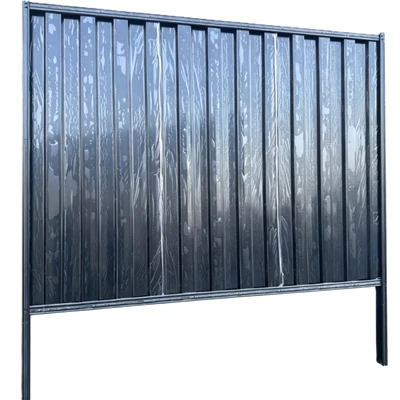
If you’ve got a site that’s not a boring rectangle or square, and you want hoarding that actually fits? Hit us up to chat through your needs. We’ll send a team to do a free site scan, walk through materials, and give you a realistic quote—no hidden fees, no sales jargon. Let’s turn that awkward site perimeter into something that works for you, not against you.
Construction Hoarding References
- Construction Hoarding Best Practices. National Association of Home Builders, 2022.
- 3D Scanning for Site Measurement in Construction: Industry Case Studies. Construction Technology Today, vol. 15, no. 3, 2021, pp. 45-52.
- Material Selection for Custom Shape Temporary Barriers. Journal of Construction Materials, vol. 9, no. 2, 2020, pp. 112-119.
- Urban Construction Design Guidelines for Historic Districts. Local Government Commission, 2023.
Tianjin Juncheng Weiye Light Steel Color Panel Co., Ltd.
As one of the most professional construction hoarding manufacturers and suppliers in China, we’re featured by quality products and low price. Please rest assured to buy cheap construction hoarding made in China here from our factory. We also accept customized orders.
Address: Beiwang Village, Junliangcheng Street, Dongli District, Tianjin, China
E-mail: finnxu3575@gmail.com
WebSite: https://www.fencefactorycn.com/
